


Selkies Interactive is a young indie game studio founded by students – and already nominated for the DCP, Germany’s most prestigious games industry award. For their narrative VR and PC adventure Echoes of Mora, they used etalenta to cast voice actors. We spoke with Alina Athanasiou (3D & Unreal Engine artist) and Nico Hartmann (CEO and director) about their process, their principles, and what they wish the industry would change.
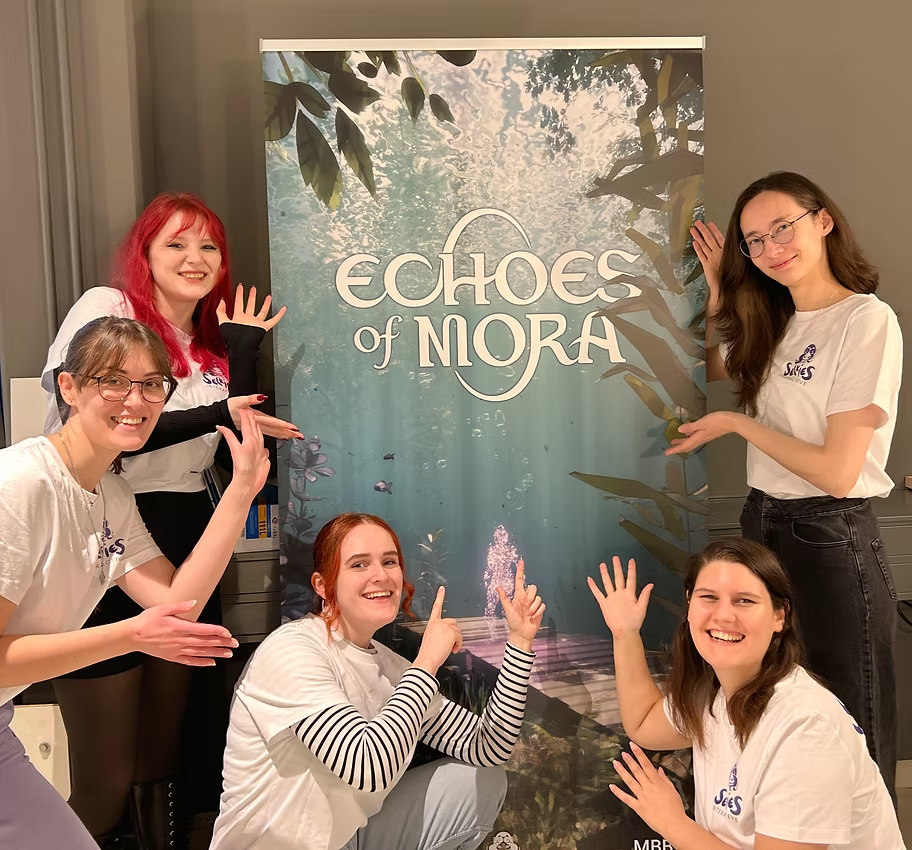
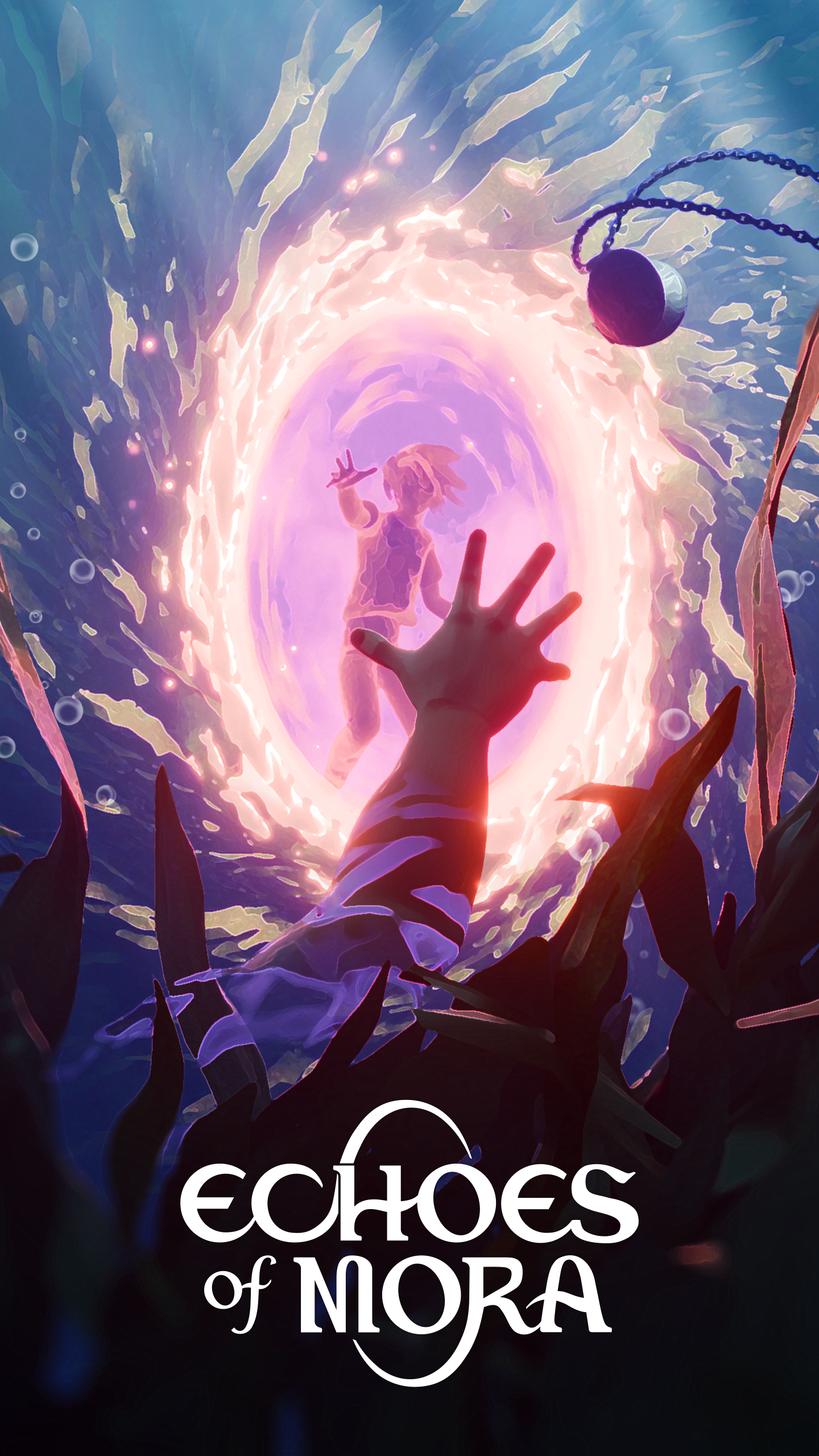
Images: Selkies Interactive
Please introduce yourselves and give us a brief overview of your careers.
Alina: I am a 3D and Unreal Engine artist for our project, though I have somewhat of a diverse background – coming from recruiting in education and acting in predominantly theater.
Nico: I am a generalist in the team and the CEO of Selkies Interactive. From VFX to sound design, I am also responsible for a lot of management within the company. I studied game design and am now in a master’s program, where my team and I founded Selkies Interactive. In this project, I directed the voice actors.
What have been some of your career highlights so far?
Alina: The most recent one stands out the most, I’d say – our game got nominated for a DCP* award!
Nico: Founding Selkies Interactive with Daria and Meike was a huge milestone, but another highlight was getting nominated at the DCP! Alina and the team visited me in the sound studio while I was recording a voice actor for the game, and that’s when they shared the news. I couldn’t contain my excitement!
*The German Computer Game Award (DCP) is the most important award for the German games industry.
How did you come across etalenta?
Alina: Our colleague’s sister was the one who recommended the platform.
Please tell us a little bit about Echoes of Mora.
Alina: Echoes of Mora is a narrative adventure that can be played in both VR and as a standalone PC game. In the game you shift between the past, where a small Italian village is intact, and the present, where it’s been flooded. As a player you try to figure out what happened and what caused the flood. You also help little girl Mora find her missing brother.
What made you decide to send out a casting, rather than only using the search tool to find suitable candidates?
Alina: First of all, we weren’t set on how the characters should be, so we wanted to explore different takes and possibilities. It also lined up with our workflow – it was much more comfortable to select from the existing pool of interested people rather than approaching various actors individually.
In your opinion, what is the most important element of doing a voice-over casting?
Alina: Unlike other mediums where actors can use their bodies to reinforce the character, in voice acting – and especially in our case where our game characters won’t have faces – it was paramount to be able to bring a character to life using only this one asset. That being said, regardless of whether it’s a voice-over or any other form of acting, one of the most important things to me personally is identifying the potential – looking beyond an actor’s take on a character. Can they adapt to change, take a different direction? Does it look like working with them is going to be easy and comfortable?
Nico: Adding to Alina – even if it sounds boring, it’s the technicalities. Being able to reach out to people quickly was really important once we got the ball rolling. Do they have their own home studio? What’s their setup like? Those were some of our first questions since we had our own limitations.
But beyond that, the most important thing is definitely good communication and the ability to adapt quickly to emotional shifts in the lines. In our case, we needed voice lines for characters without faces, so the emotions had to come through clearly in the voice alone.
How much of your cast was found through etalenta?
Alina: 4 out of 10 – so almost half of the cast! (One person out of those four had also sent in an application through the Google form we had.)
Was there a specific thing a candidate did that convinced you they were right for the role?
Alina: Sometimes, the actor auditions and you immediately see a character emerging. At the same time, in our experience it was a symbiosis of additional factors that contributed to them securing a role – other than being a fit for the role, things like availability, pay scale match and, most importantly, a collaborative sense of work. With all of that in mind, I can say that those who joined the cast were the ones who were genuinely curious and excited about the project. We believe that you can achieve truly amazing results if you are truly passionate about the job you take on.
Nico: I think Alina really summed it up beautifully. Having people interested in the project themselves is something I really appreciated.
How would you like to see the industry change in the future?
Alina: Oh, I have a few wishes! Specifically, when it comes to acting and castings, I wish there was more transparency and less gatekeeping. That’s why I think it’s wonderful we are doing this interview where we share about our processes – so thank you for the opportunity!
Another thing, and I know everybody is sick and tired of hearing this, but: AI. I wish that it wasn’t used as casually, especially to replace or simulate creativity and real people. Despite the fact that we could have greatly benefited from using AI in terms of cost and workflow, we made an important decision not to. All of our actors received contracts stating that their voice is not going to be used for machine learning or reproduced in any shape or form using AI. Should there be any need to rerecord or make changes, we would call them in. I believe this should be the norm in the modern day and age – and if we as a small team with a tight budget can do it, so can big companies.
Nico: I believe there are so many talented people out there that I would have loved to work with, but unfortunately our own limitations didn’t always allow it.
In my opinion, the real challenge isn’t just choosing actors – it’s the bureaucratic system that makes the whole process much more complicated than people might think. Hiring voice actors isn’t as simple as just picking the right voice. Since we’re a small company, we didn’t have the manpower that bigger studios do, nor could we outsource casting. So we had to handle everything ourselves – reaching out, holding interviews, following up, and everything bureaucratic.
I truly wish I could have connected on a more personal level with everyone who put in the effort to send in their casting lines. And to all those who did – I’m incredibly grateful. Thank you for sharing your voices with us.
And finally – if you could say one thing to the actresses and actors reading this, what would it be?
Alina: The amount of talent we saw was astonishing – it was pure joy to hear and see so much passion and dedication. It is a tough industry and it can be very discouraging to receive a rejection. I just want to say that rejection doesn’t mean that someone did a bad job; it means that there was someone else who happened to be that character for that specific project. Never stop perfecting your craft and never forget you can make your own personal projects happen!
Nico: I love the space and the people who are immensely passionate about acting as well as voice acting. The love for giving characters their voice and life is thrilling to see, and makes developing and bringing these stories to life together really rewarding. Please never stop breathing life into these characters!
This interview has been edited for length and clarity.

